| Headquarters: |
Rome, Italy
|
|
|
| Website: | http://www.fao.org/cfs/en/ | ||
| Description: | CFS was established in 1974 as an intergovernmental body to serve as a forum in the UN system for review and follow-up of policies concerning world food security, including production and physical and economic access to food. | ||
| Summary: |
The Food and Agriculture Organization of the United Nations (FAO) serves as the secretariat for CFS. CFS’ structure includes: the annual Plenary, the main decision-making body; a Bureau; an Advisory Group, including representatives from UN bodies, civil society, international agricultural research institutions, international and regional financial institutions, the private sector, philanthropic foundations and prominent individuals; a High-Level Panel of Experts (HLPE) on Food Security and Nutrition; and the Secretariat, supported by the three Rome-based agencies (RBAs), FAO, International Fund for Agricultural Development (IFAD), and World Food Programme (WFP). CFS deliberations are based on country representation in FAO regional groups. Non-governmental actors are represented through the Civil Society Mechanism (CSM), and the Private Sector Mechanism (PSM). |
||
| Organization Type: | International Inter-Governmental Organization | ||
| Issue areas covered: |
The mandate of CFS is to: coordinate a global approach to food security; promote policy convergence; support and advise countries and regions; coordinate at national and regional levels; promote accountability and share best practices; and develop a global strategic framework for FSN. CFS went through a reformation in 2009. The reformed CFS broadens participation and aims to: give a voice to all stakeholders in the world food system; be inclusive and encourage an exchange of views and experiences; and build on empirical evidence and scientific analysis. Policy recommendations and guidance are developed starting from the scientific and evidence-based reports produced by the High Level Panel of Experts on Food Security and Nutrition (HLPE). |
||
| Key opportunities and dates for input: |
There are periodic opportunities for engagement through the Gateway to Animal Welfare. These include E-Consultations and expert meetings. |
||
| Requirements for participation: |
There is an opportunity to sign up for newsletters from the Gateway to Animal Welfare and to submit information. |
||
| Advocacy Opportunities: | |||
|
|||

- Home
- Directory
-
Our Programs
-
Strategic Advocacy Course
- Collaborations
- Humane Education
- International Policy
-
Model Animal Welfare Act
- Get the Book!
- Contents
- Part 1: Guiding Principles - A Broad Overview
- Part 2: Proposal for the Wording of a New Animal Welfare Act
-
Part 3: Explanatory Notes
- Notes to Chapter 1: Preliminary Provisions
- Notes to Chapter 2: General Provisions
- Notes to Chapter 3: Keeping of Animals/Care of Animals
- Notes to Chapter 4: Specific Categories of Animal Use
- Notes to Chapter 5: Implementation and Enforcement Provisions
- Notes to Chapter 6: Penal and Final/Concluding Provisions
- Constitution Project
-
Strategic Advocacy Course
-
Resources
- Events
- About Us
- Blog

From the Blog
-
The World Federation for Animals: A New Chapter for World Animal Net +
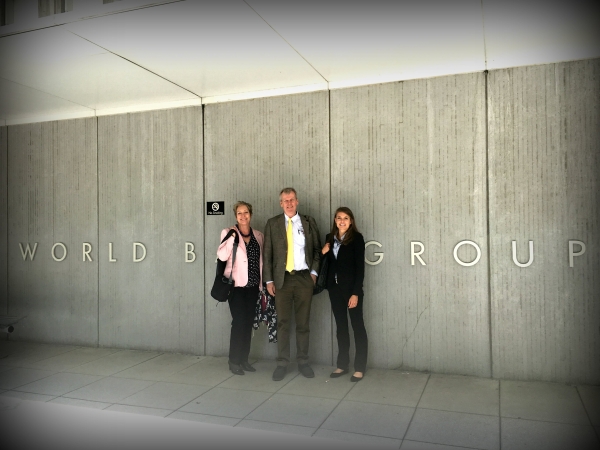 In 2013, I joined World Animal Net (WAN) alongside Akisha… Read More
-
Launching an "Animals' Manifesto" for World Animal Day +
 World Animal Net has brought together animal protection and environmental… Read More
-
Join Asia for Animals in celebrating World Farmed Animal Day +
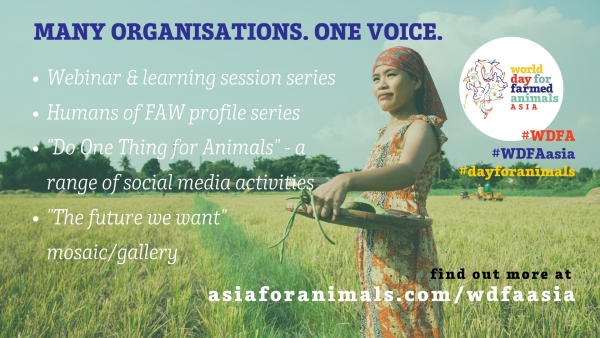 World Day for Farmed Animals Asia is on October 2nd… Read More
-
COVID-19 and the Development of the New Global Biodiversity Framework +
 The Convention on Biological Diversity (CBD) is an international agreement… Read More
- 1